Editorial & Fine Art Photography
Why the First 10 Days Matter: The Science, Safety, and Art Behind Newborn Photography
Bringing a baby home is beautiful, overwhelming, emotional, and exhausting — often all at the same time. In those early days, everything feels new, fragile, and fleeting. Time moves strangely. The days blur together, yet somehow your baby seems to change overnight.
As a newborn photographer with over a decade of experience, one of the most common questions I hear from new moms is why newborn photos are typically scheduled so early — often within the first week of life. The answer is a blend of science, safety, and artistry, and understanding it can help you feel confident about both the timing and the experience itself.
The Fleeting Newborn Stage (And Why Timing Matters)
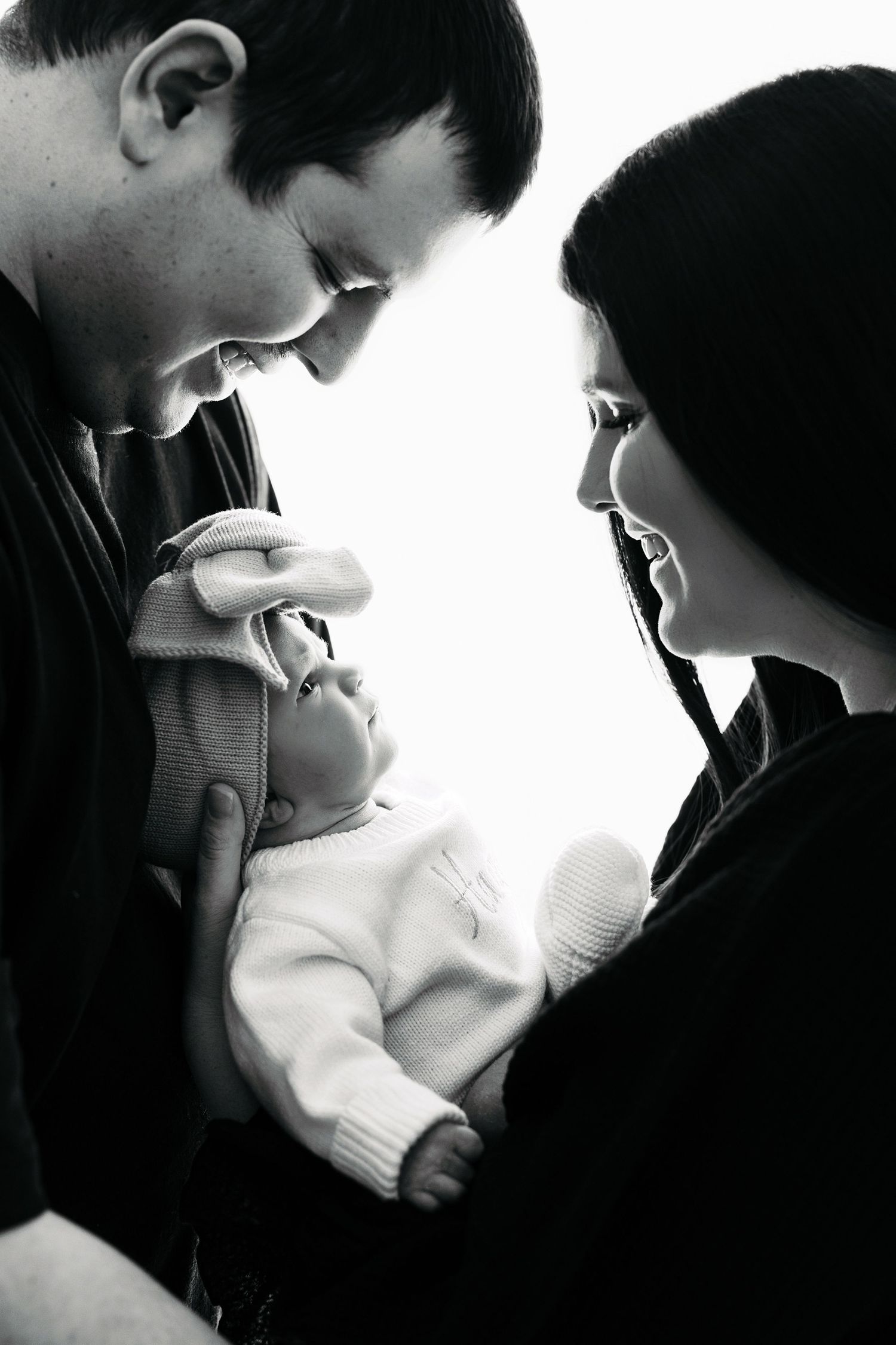
Newborn photography isn’t just about tiny fingers and sleepy smiles — it’s about capturing a stage of life that disappears faster than most parents expect.
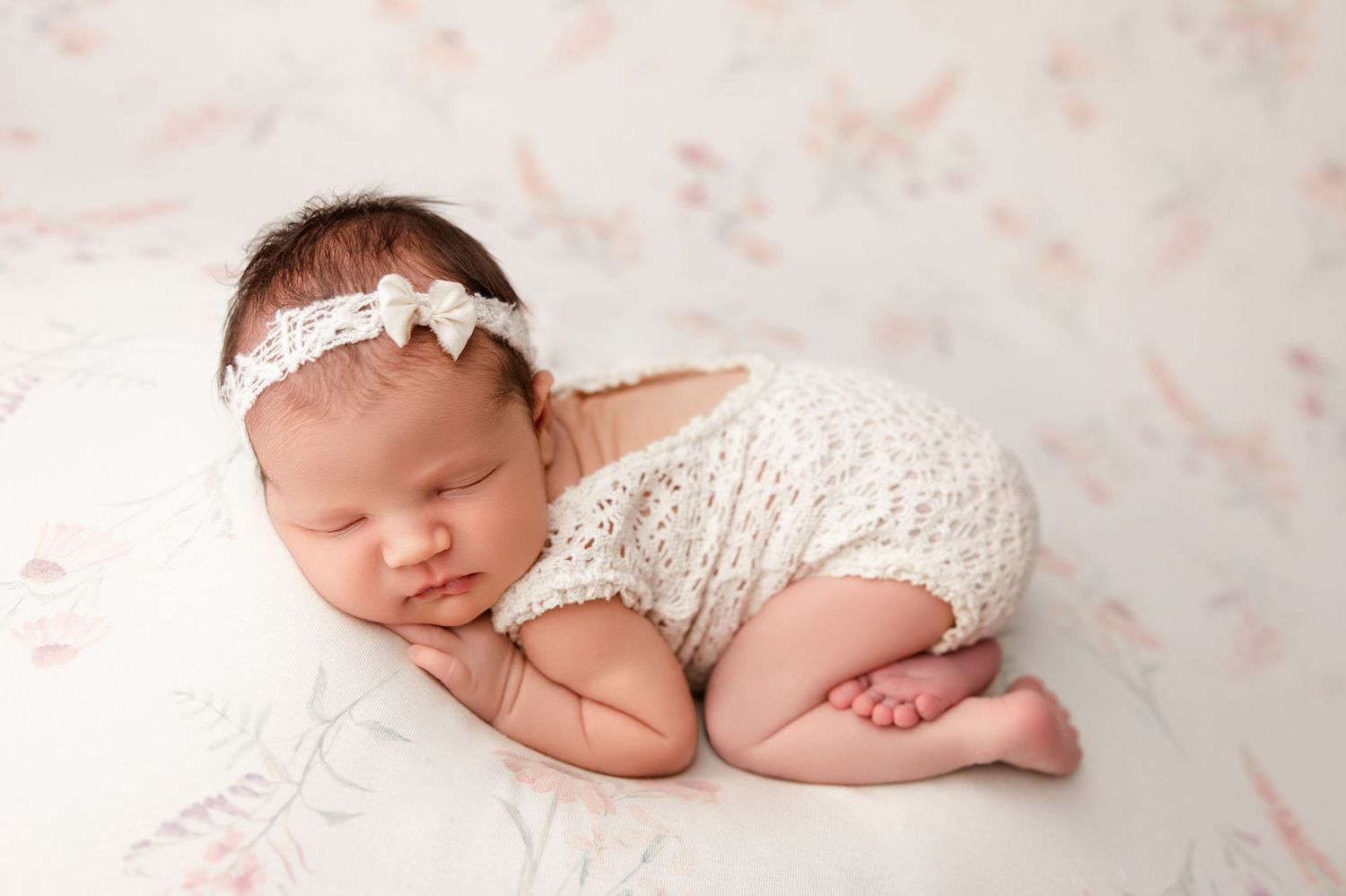
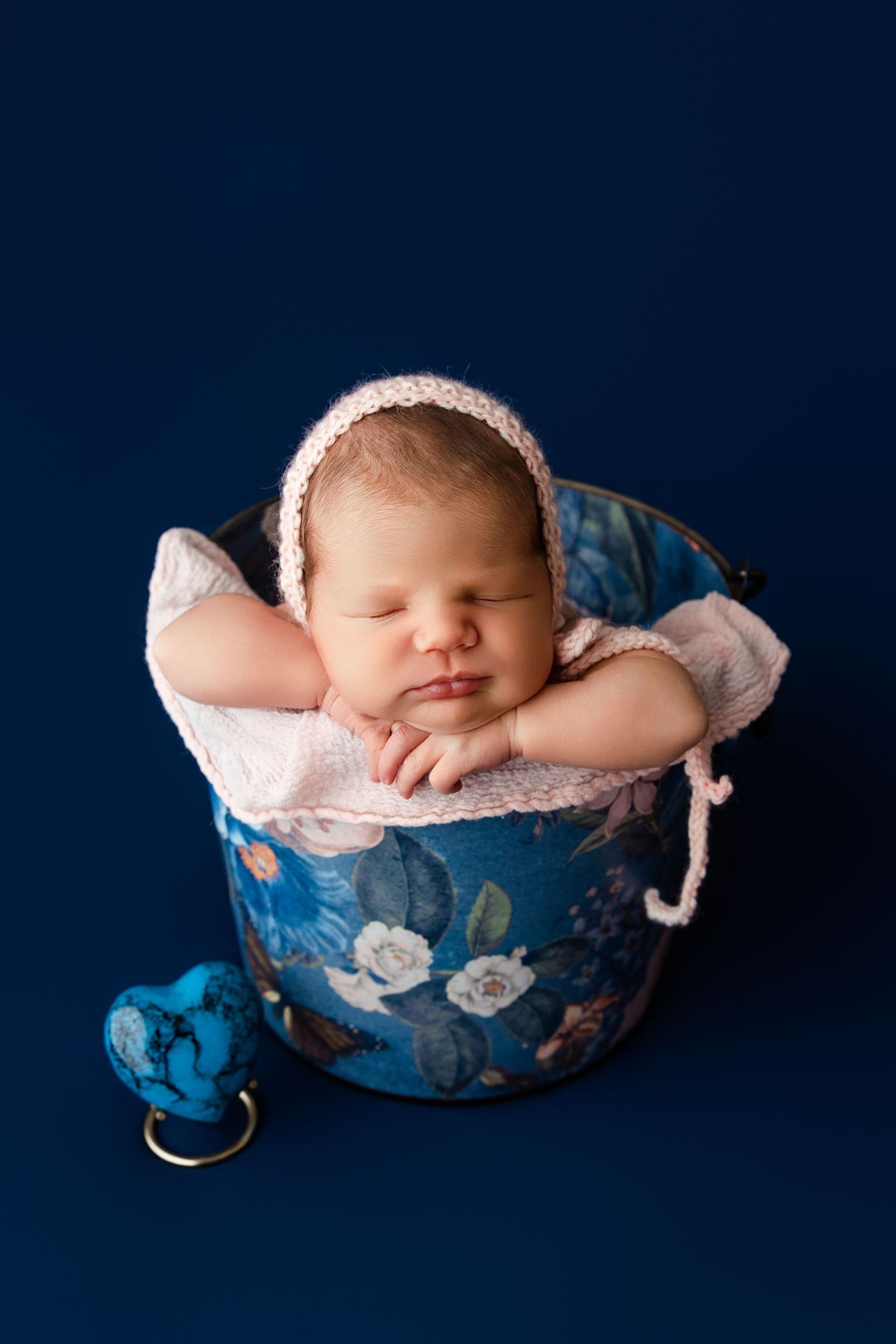
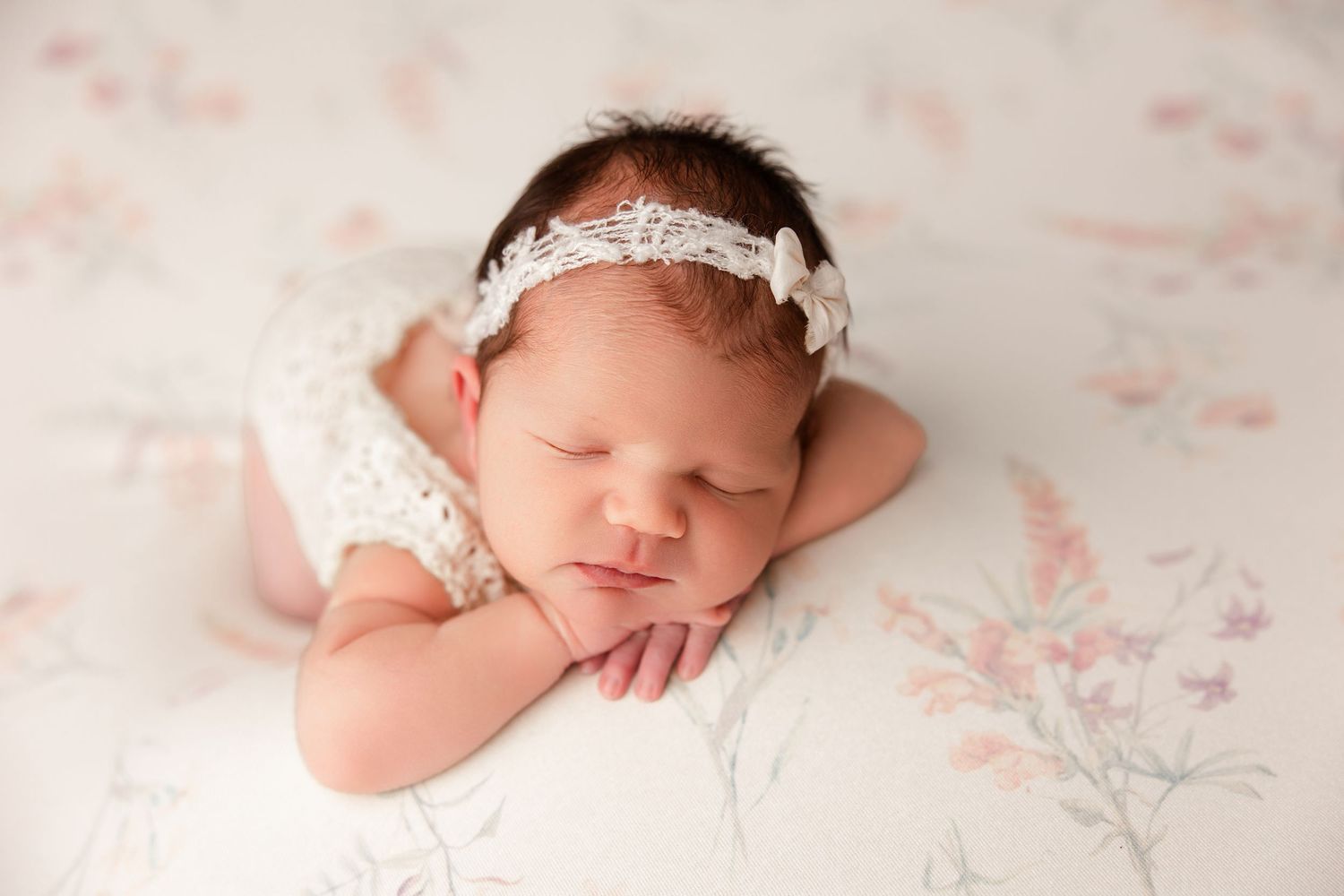
During the first 5–10 days after birth, babies are still very much in that womb-like stage:
- They sleep deeply and frequently
- They naturally curl into fetal positions
- Their startle reflex is minimal
- They’re more easily soothed and settled
After about two weeks, babies begin to stretch out, sleep less soundly, and become more alert. Baby acne, colic, and digestive discomfort often appear around this time as well. While beautiful images can still be created later, those classic, peaceful newborn portraits are most easily and safely achieved in those early days.
This window isn’t about rushing parents — it’s about honoring the season your baby is in right now.
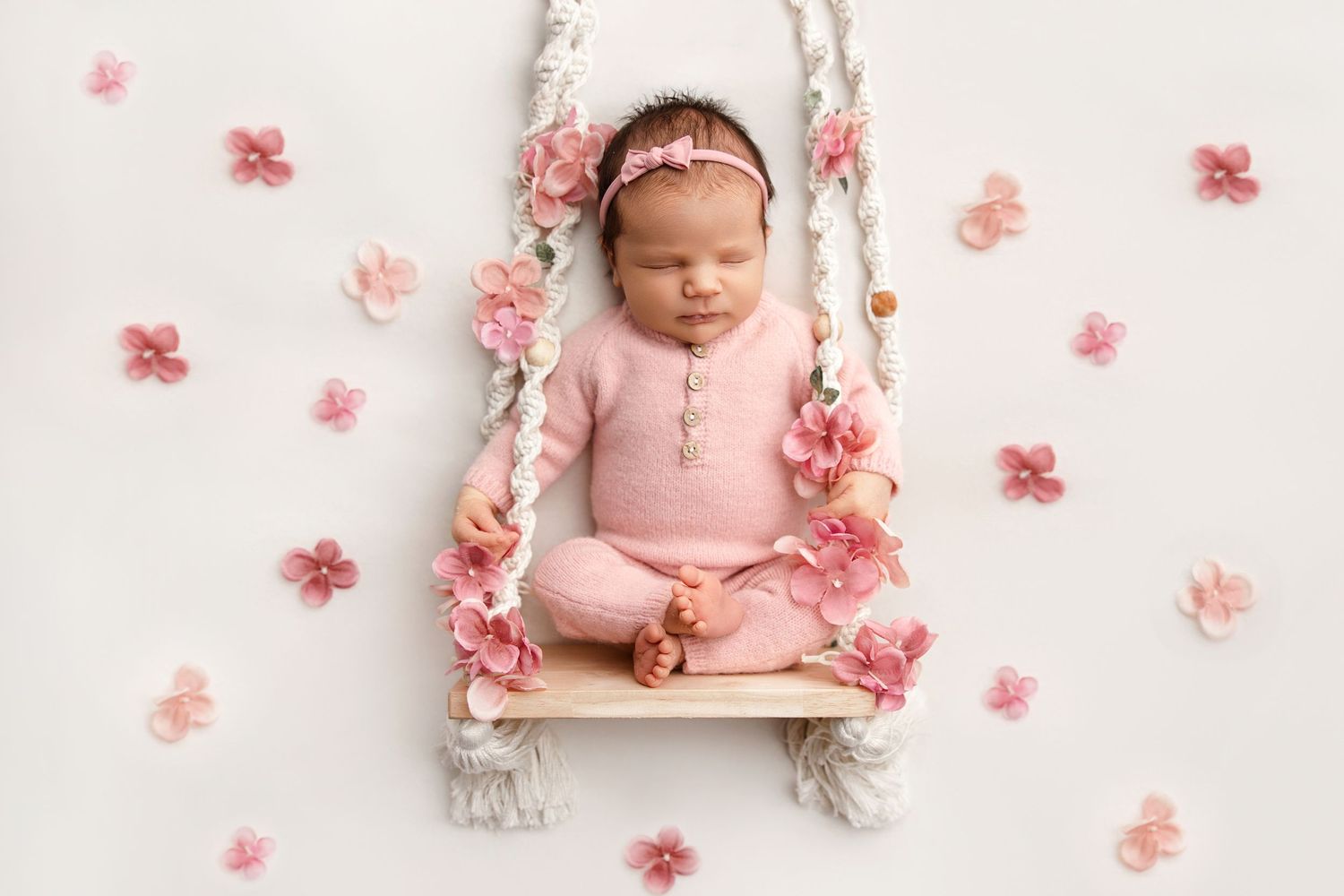
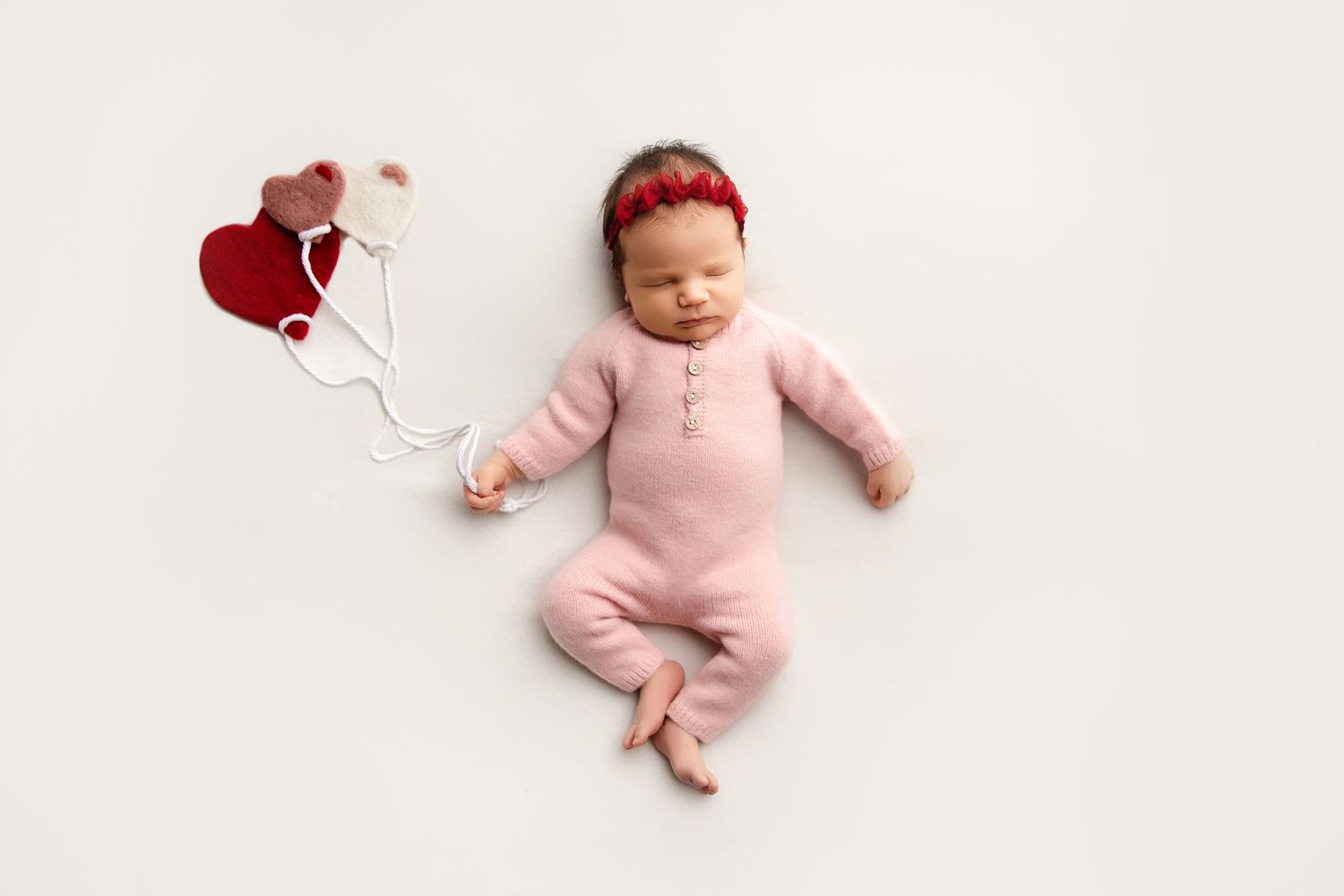
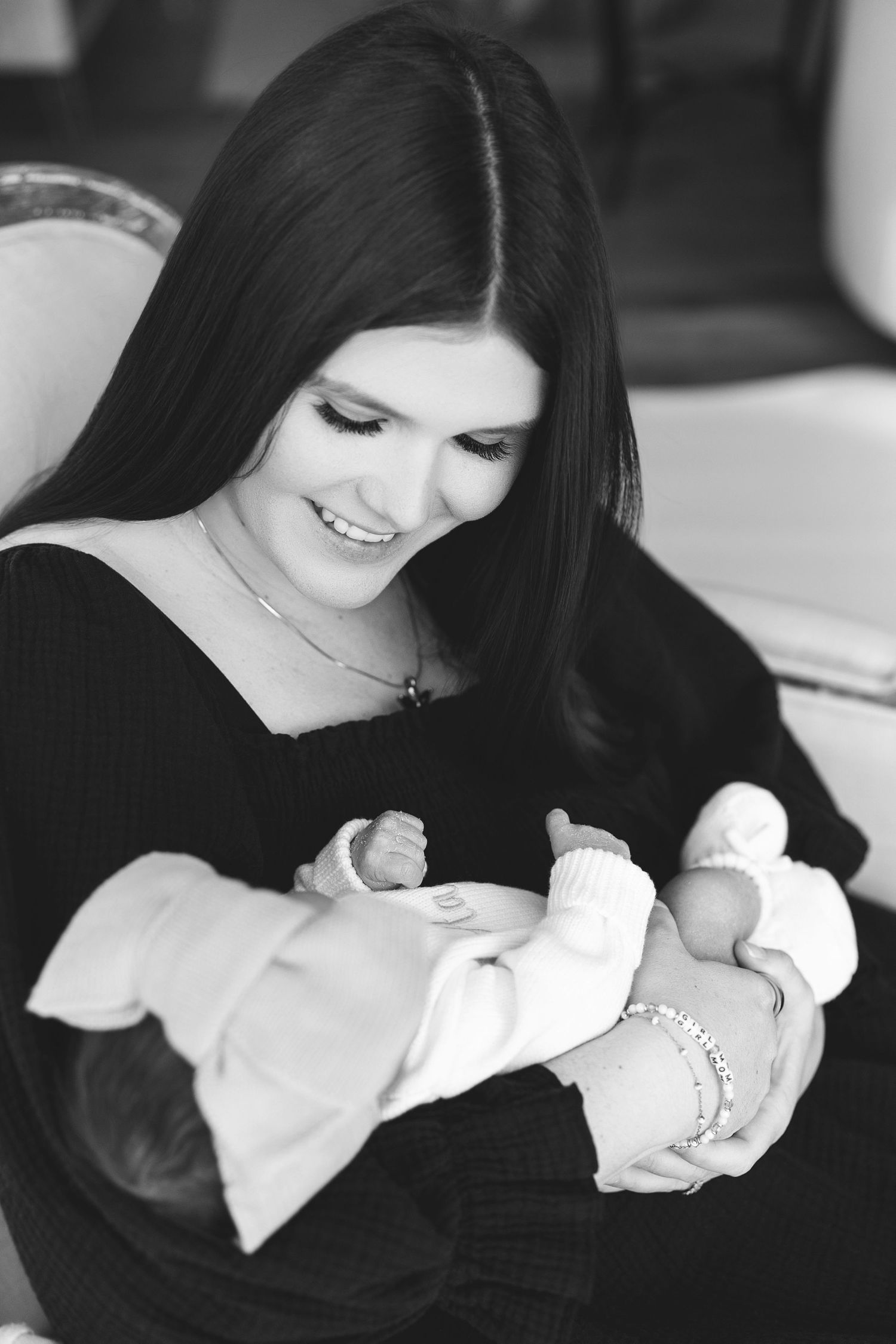
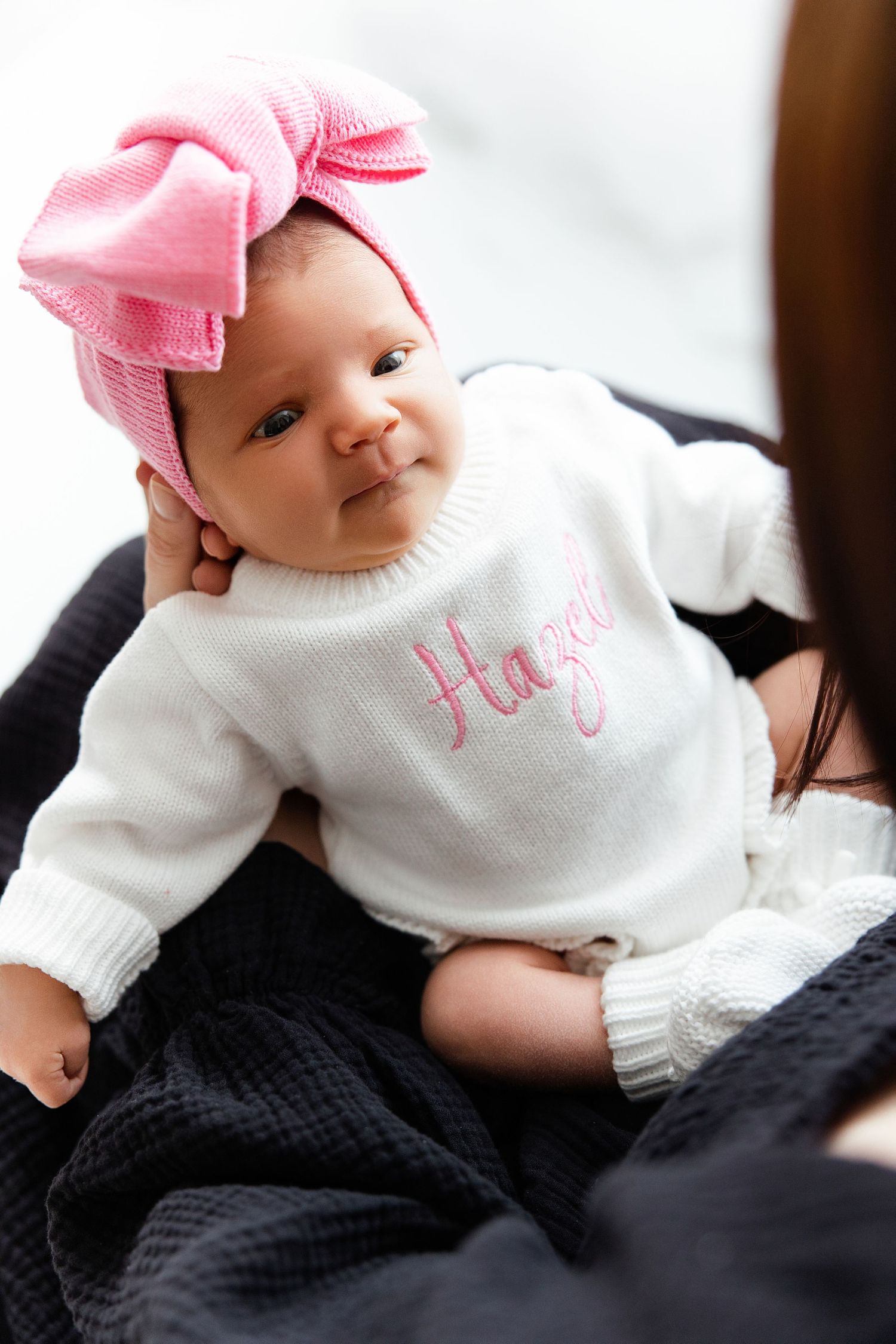
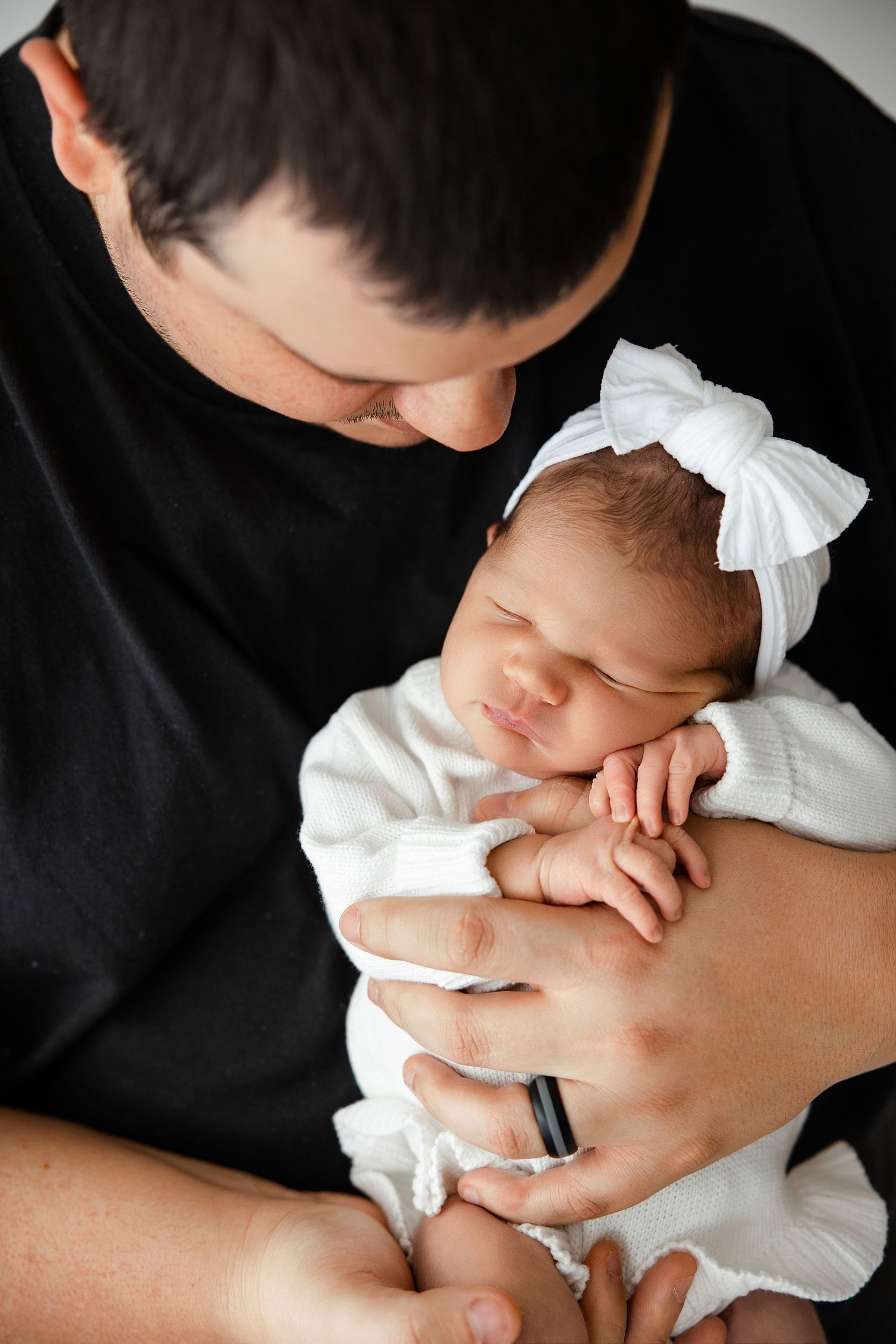
Safety Is Not a Trend — It’s the Foundation
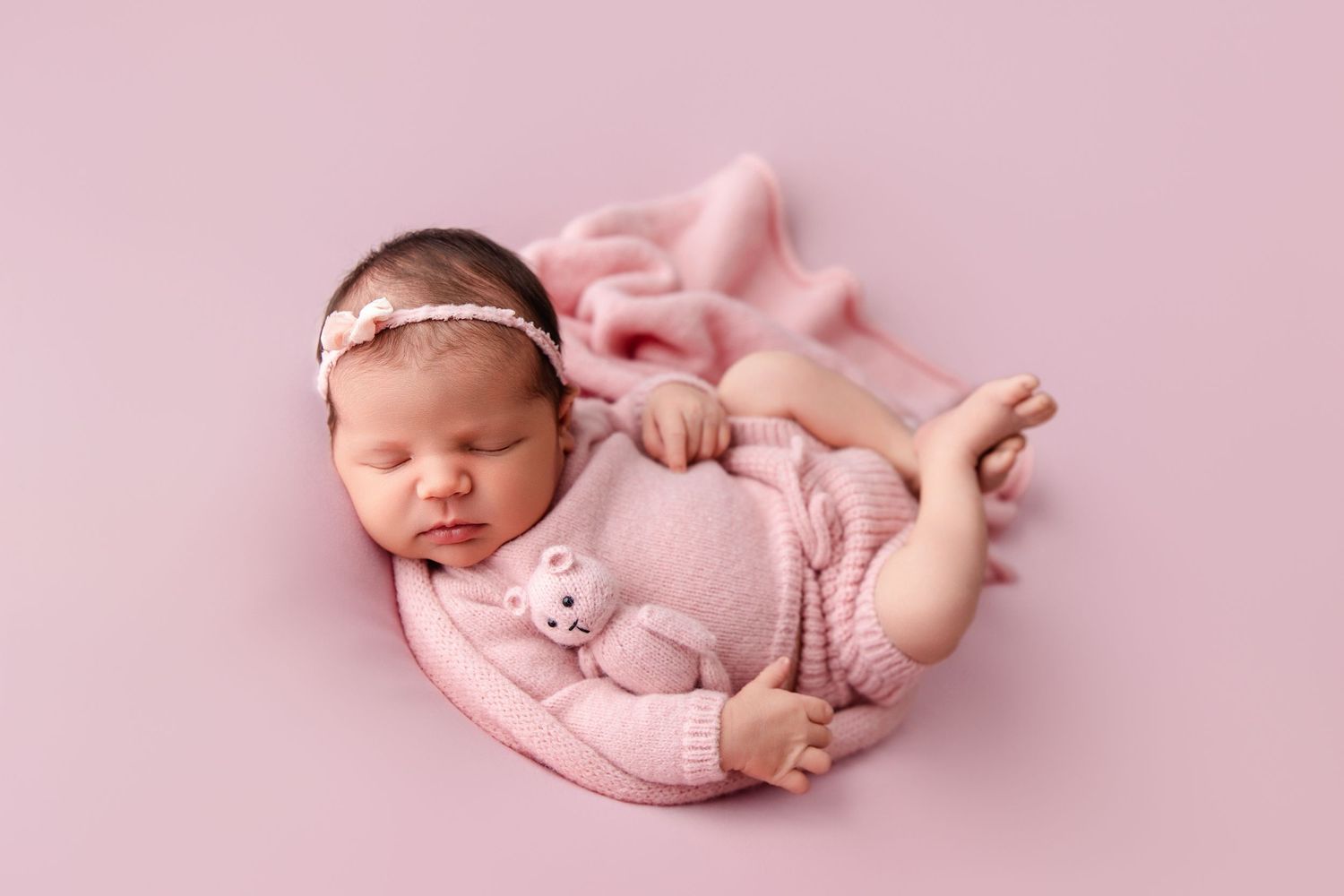
One of the most important things new parents should know is that not all newborn photography is the same. Experience matters deeply when you’re working with a brand-new baby.
A professional newborn photographer understands:
- How to read a baby’s cues and body language
- When a pose is safe — and when it’s not
- How to properly support baby’s head, neck, and joints
- How to maintain a warm, comfortable environment
- When to pause, soothe, feed, or simply let baby rest
Many images you see online are created with careful positioning, composite techniques, or hands-on support that is later edited out. A trained photographer knows how to achieve these looks without ever compromising safety.
Your baby sets the pace. Always.
What New Moms Don’t Need to Worry About
If you’re a new mom reading this, here’s something I want you to hear clearly:
You do not need to have everything together.
You don’t need to:
- Sleep well the night before
- Lose the baby weight
- Have a perfectly calm baby
- Stress about schedules or timing
An experienced newborn photographer guides you through the entire process — from how to prepare, to what to expect, to how the session will flow. Babies cry. They need to be fed. They need to be held. All of that is normal, expected, and welcomed.
My job is to create a calm space where you can simply be — and trust that your baby is in capable, gentle hands.
The Art Behind the Images
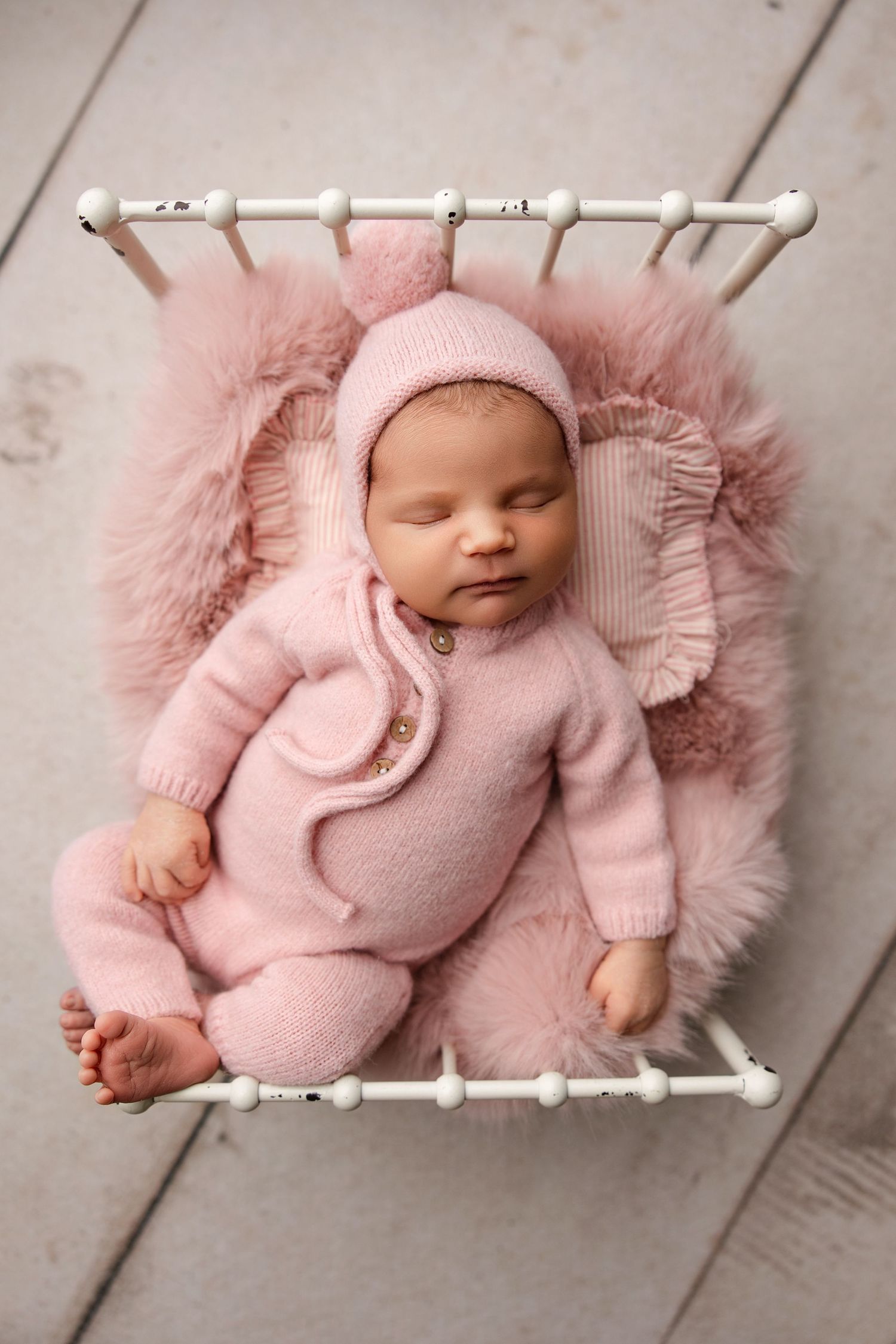
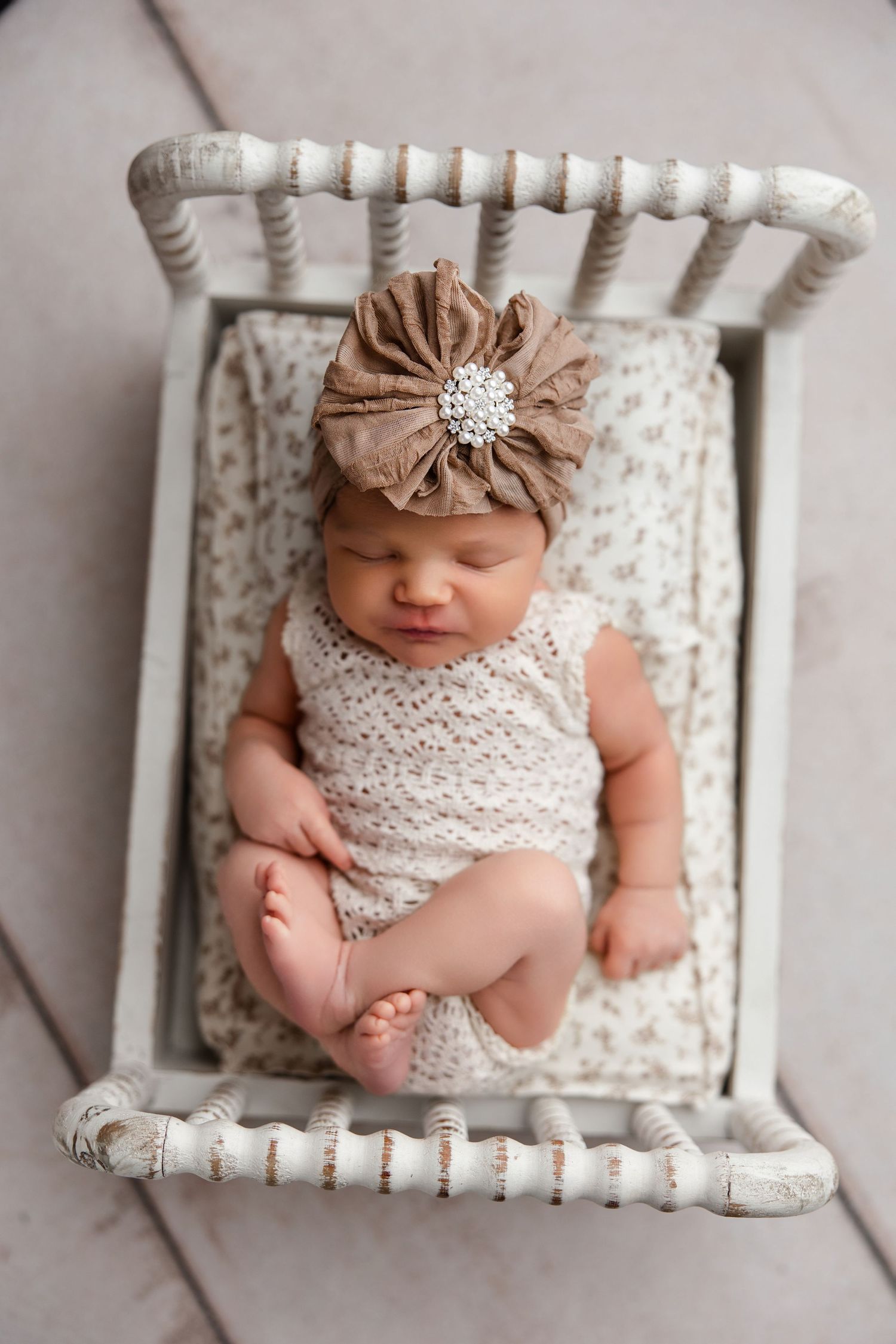
Beyond the technical and safety aspects, newborn photography is deeply artistic. Lighting, posing, angles, and editing all work together to create images that feel soft, timeless, and emotive.
Every baby is different. Some love being swaddled. Some want to stretch. Some need extra time and patience. Knowing how to adapt — rather than force a formula — is what transforms a session from “posed photos” into meaningful artwork.
The goal is never perfection.
The goal is connection, tenderness, and truth.
These Photos Become Part of Your Family’s Story
Long after the sleepless nights fade, these images remain.
They become:
- The album you pull out on birthdays
- The framed print you pass in the hallway every day
- The reminder of just how small they once were
Newborn photos aren’t just for now — they’re for the years ahead, when the details blur and the days feel far away.
Choosing a photographer you trust means choosing someone who understands not only how to take the photo, but how precious this season truly is.
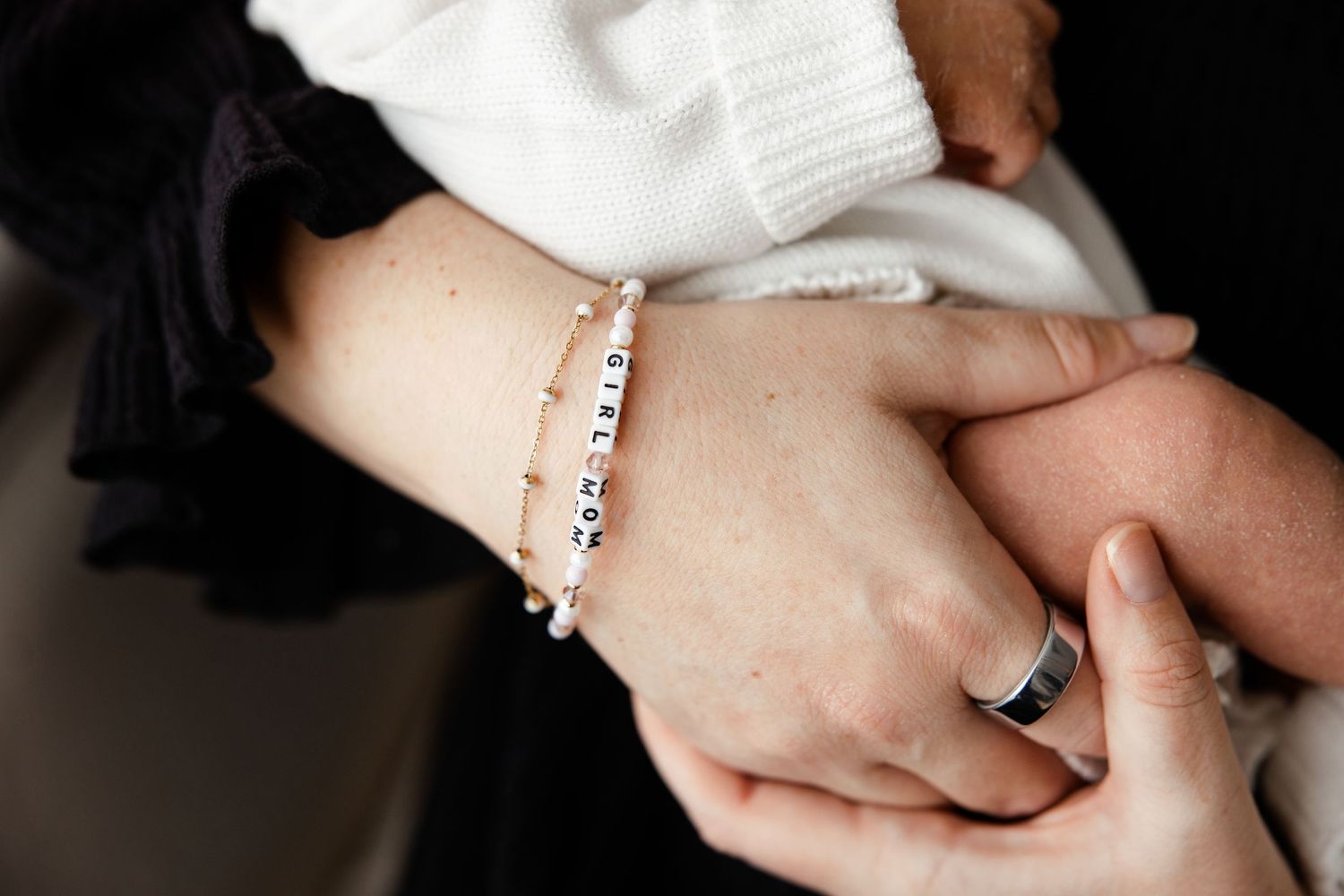
Final Thoughts for New Parents
If you’re expecting, my best advice is this:
Don’t wait until after your baby arrives to start the conversation.
Planning ahead allows you to rest, recover, and enjoy those early days knowing your memories are being thoughtfully preserved. When the time comes, you’ll be able to show up exactly as you are — and that’s more than enough.
Because this stage is brief.
But the memories can last forever.